
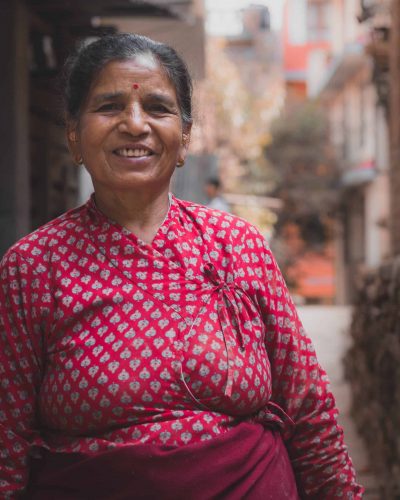
These stories change lives
“Because I was unable to read and write I never felt connected [to God]. This is the first time I felt I have a connection with God and [now I know] God loves me.”
- Banu, a South Asian woman, after hearing an oral Bible story
Eighty percent of the world’s population are oral learners¹ like Banu, meaning they best learn through spoken narrative. And, 41.7% of the world’s population live in unreached people groups², meaning they have little to no access to the gospel.
[1] https://orality.net/about/who-are-oral-communicators/. Accessed 10/20/2021.
[2] https://joshuaproject.net/ Accessed 10/20/2021
% of the world's population who are oral learners
80%
% of people with little to no access to the gospel
41.7%
Oral Learners
StoryRunners® exists to help fulfill the Great Commission among unreached people groups in oral cultures.
We equip people to produce oral Bible stories in order to launch church planting movements among those who don’t have access to the Bible in a way that speaks to their hearts. We accomplish this through the School of Storying. The School of Storying is a residence workshop with local people who develop The Promise, a series of Bible stories from Creation to the Return of Jesus, in their own language in just four weeks.
We do all this to fulfill our vision: to see followers of Christ in communities of faith among every unreached people group in oral cultures.
To date, StoryRunners® has completed (fully or as a partnering ministry) 101 Bible story sets.
Get equipped in oral Bible storytelling
Learn about our Virtual Storytelling Training
Student opportunities
Internships
Learn about orality
About Orality
Listen to oral Bible stories
Listen
For church planters
Church planting partnerships
Careers
Explore Career Opportunities
Come Run With US
Get updates from the field in your inbox!
Signup for our Email Newsletter
An issue has occurred. Please try again or contact website administrator.
Congratulations! You have successfully subscribed.